

It might surprise you to hear the USA produces 9x more Natural Gas than Saudi Arabia, and 1.4x more Oil than Saudi Arabia.
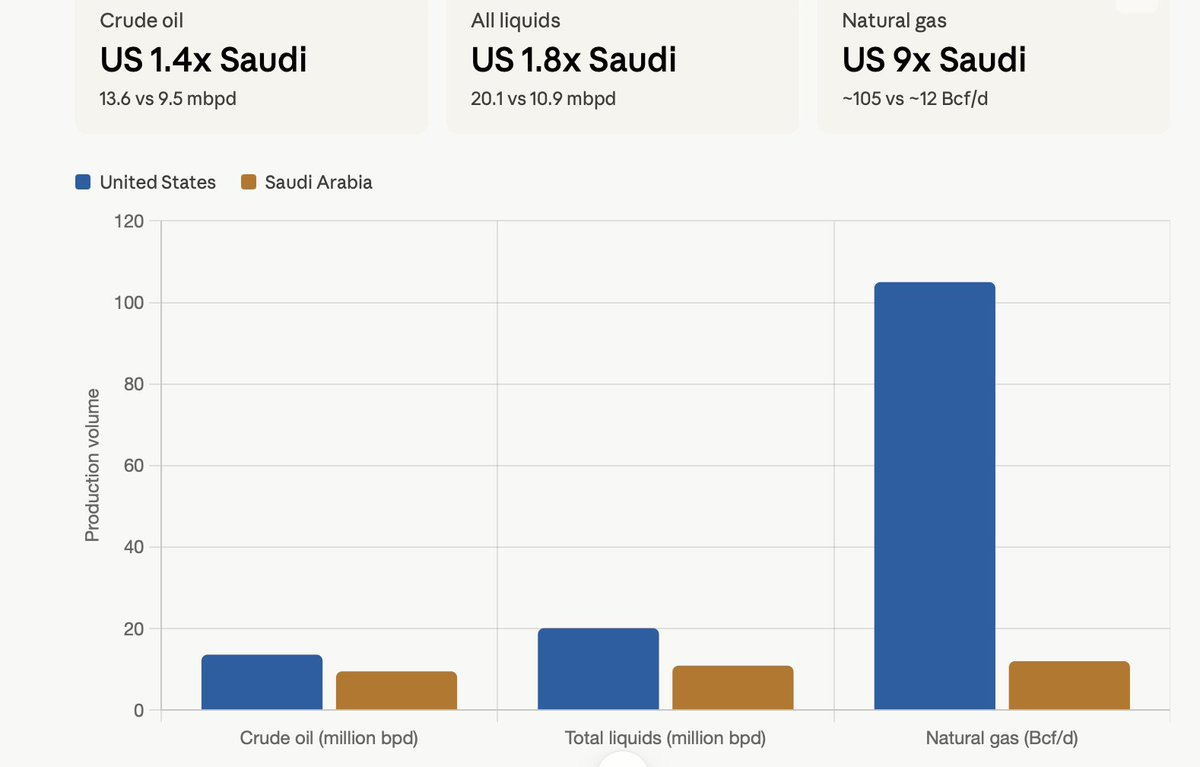
You might have already known that.. but when I read that fact it blew my mind.
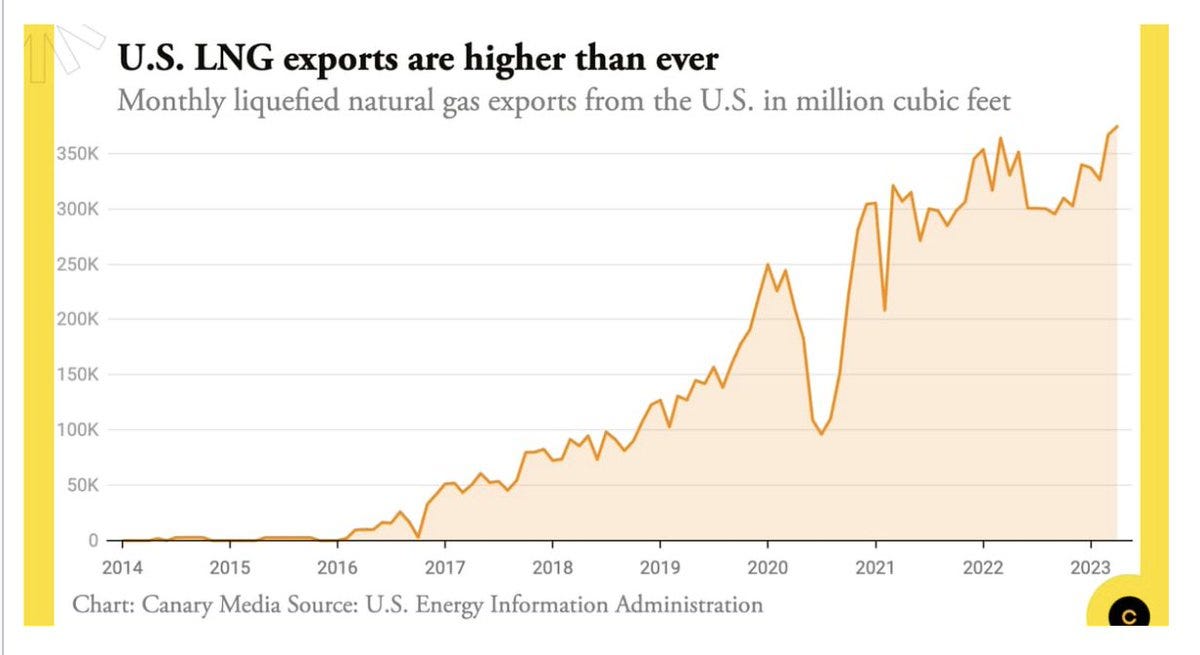
Data shows the USA is slowly becoming the Middle East as far as production and exporting of our Oil & Gas? Wow. So I dove deep, and this is my personal and comprehensive analyzation for myself centered on the United States historic transition into the world’s premier natural gas and LNG exporter. This transformation is occurring against a backdrop of intensifying global competition, where nations are racing for technological and energy abundance to secure sovereign independence. By examining the structural countermoves between major world economies, I am evaluating how deregulation and strategic energy exports serve as foundational pillars for domestic economic growth.
USA v China: Chess from the Best
Modern international relations revolve around three imperatives: sovereign self-sufficiency, public safety, and a race to secure technology, fuel, and mineral abundance. Within this competitive landscape, the United States has deployed a multi-pronged approach to sustain its position. The federal government aims to dilute federal liabilities through economic expansion, protect regional semiconductor production via the Chips Act, and implement targeted tariffs to stall foreign rare earth dominance while building local processing capacity. Simultaneously, Washington enforces trade restrictions on energy flows from adversaries while utilizing regulatory deregulation and immediate tax write-offs to stimulate drilling.
Brief word from our sponsor


Last week I shared I was struggling with the fund, and investing. I sorted myself out, happy to report we are now in the green.
Conversely, China has enacted countermeasures to challenge the supremacy of the US dollar. Beijing is accumulating gold, establishing a payment settlement layer in Switzerland, replicating proprietary software models, and promoting open-source artificial intelligence. To secure its commodity imports, China restricts rare mineral exports, enforces price caps, and enters long-term purchase agreements with Qatar, Australia, and Russia. Furthermore, Beijing deploys digital misinformation campaigns to exploit societal divisions in Western states.
This geopolitical polarization has established several core secular themes for the next decade:
Computing and technology infrastructure
Materials and mineral processing
Military systems and national defense
Power generation, storage, and distribution
The United States as a primary energy exporter and self-sufficient consumer
Reserve asset diversification (gold versus stablecoins)
Uncorrelated holdings (healthcare, retail, and real estate)
Natural Gas is USA’s Global Advantage
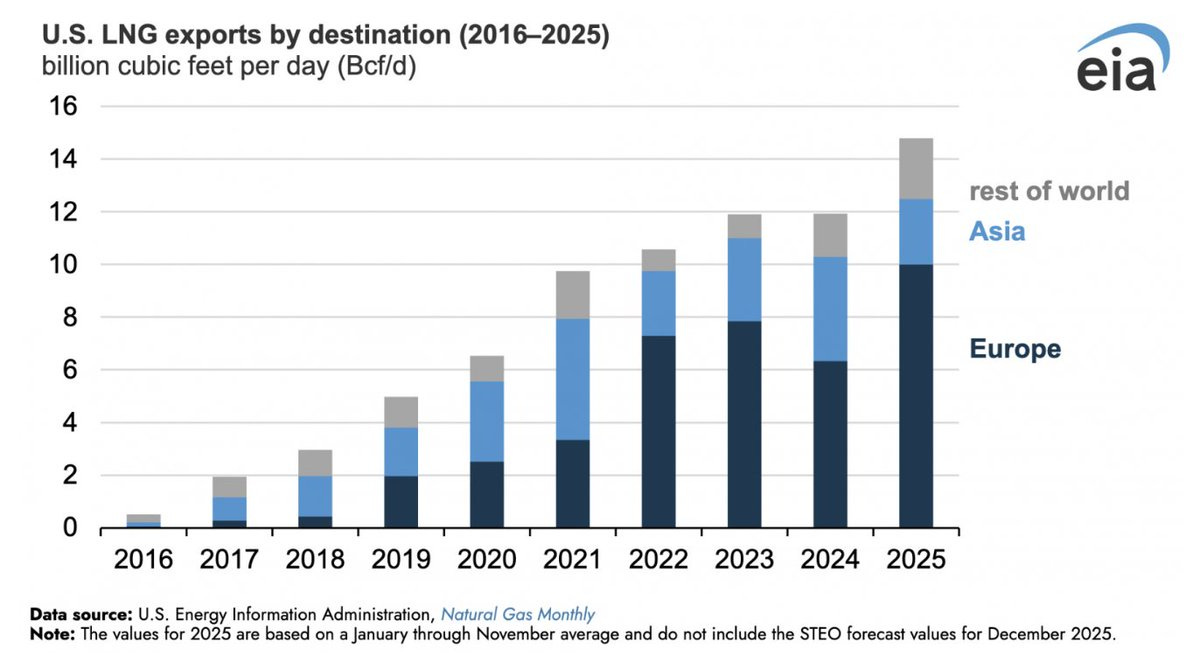
The United States now produces more crude oil and methane gas than Saudi Arabia, converting liquefied natural gas (LNG) into a highly lucrative export asset. Methane shipments are expanding rapidly, marking the most accelerated export growth phase in American history. Supply projections indicate US LNG exports will reach 14 billion cubic feet per day (Bcf/d) in 2026, representing a 44 percent expansion from the 9.7 Bcf/d recorded in 2022. This flow is met by robust demand from Continental utilities, Asian customers, EUROPE!, and industrial consumers, with industrial gas use reaching a record 24 Bcf/d in 2026 to power petrochemicals, ammonia synthesis, and Gulf Coast manufacturing.
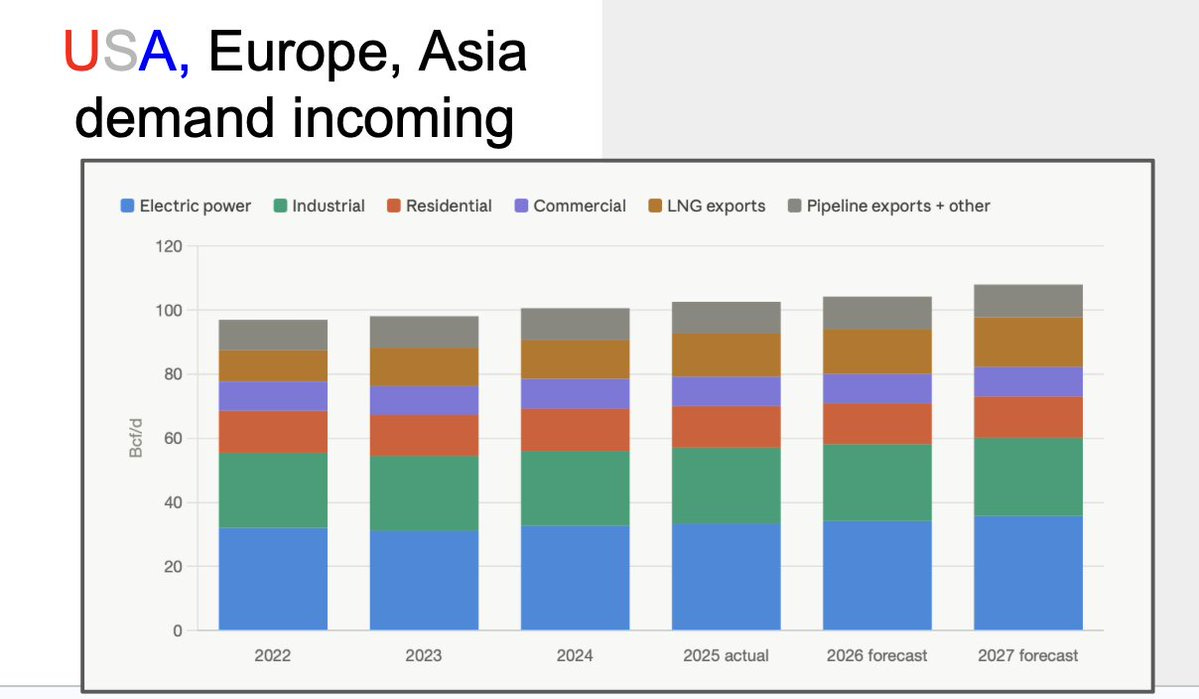
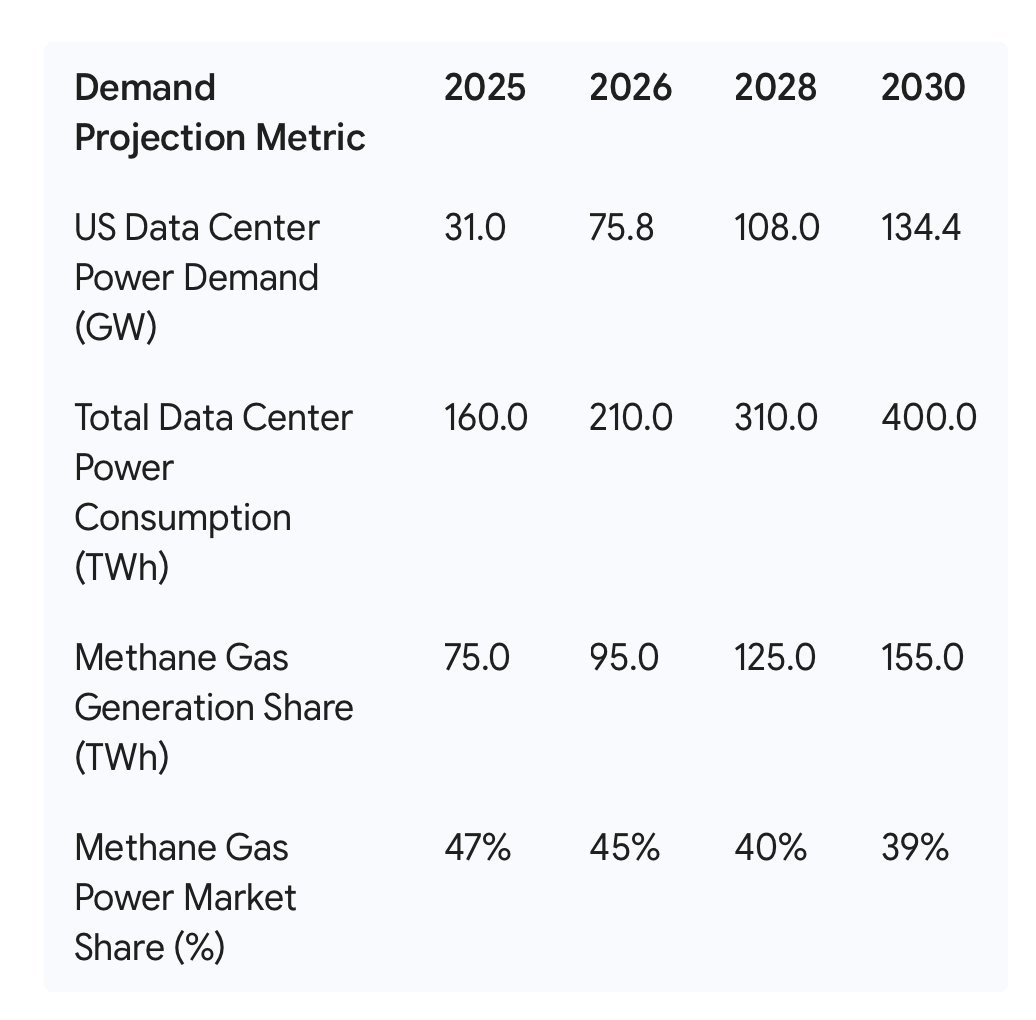
This structural shift is occurring alongside an unprecedented surge in domestic electricity consumption. For a decade following the 2009 recession, power sales in the United States remained flat, growing at just 0.6 percent annually despite a 2.3 percent annual GDP expansion. Today, this stagnation has ended due to the processing needs of artificial intelligence data centers. Projected demand from these computing facilities will scale from 31 gigawatts (GW) in 2025 to 75.8 GW in 2026, reaching 108 GW in 2028 and 134.4 GW by 2030.
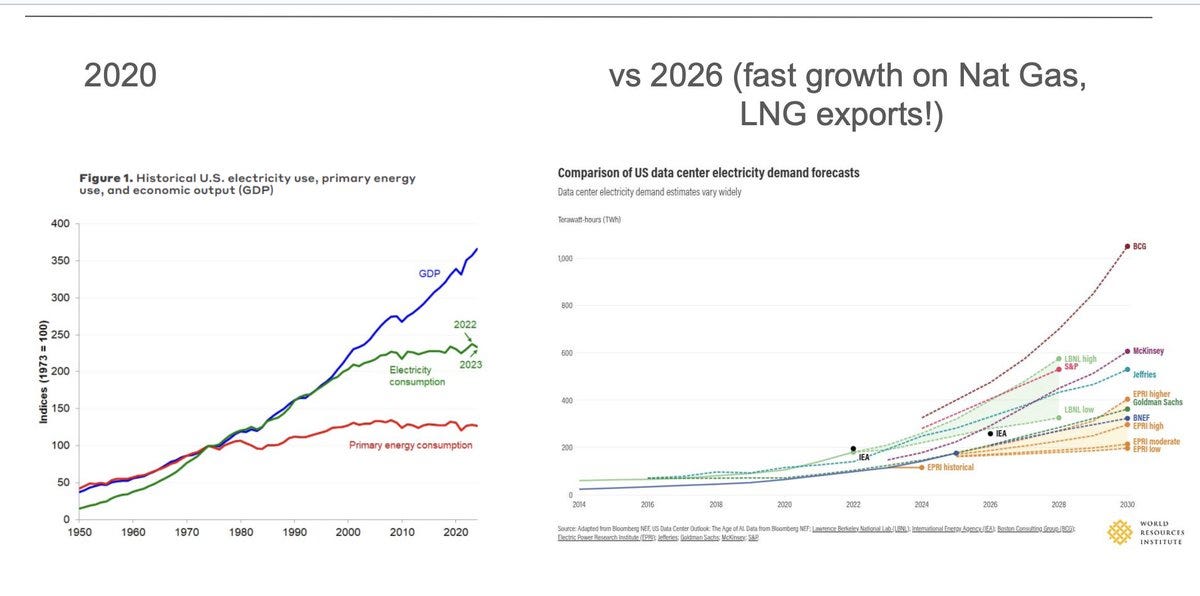
This computing expansion is forecast to triple data center power consumption to 400 terawatt-hours (TWh) by 2030, introducing 240 TWh of fresh load to the electrical grid. This increment will be divided among multiple sources:
Renewables: 50 percent (120 TWh)
Methane Gas: 33 percent (80 TWh)
Sun-powered, nuclear, and alternative sources: 17 percent (40 TWh)
While green energy will capture half of this load, gas-fired generation will double its absolute volume, scaling from 75 TWh to 155 TWh while maintaining a stable 39 percent market share. This indicates that natural gas is not a transitional bridge, but a permanent pillar of the technological expansion.
We’re going to need A LOT OF GIGAWATTS!
Strait of Hormuz Causes a Western Pivot
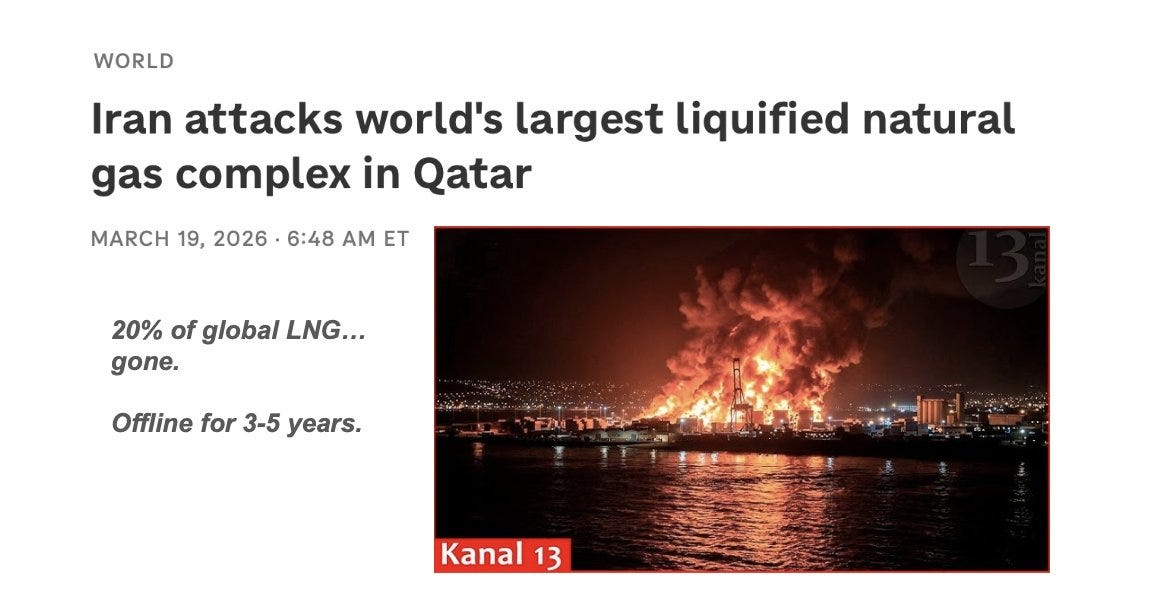
The vulnerability of international energy corridors was demonstrated when Iranian missile strikes targeted the Ras Laffan complex in Qatar and the Habshan facilities in Abu Dhabi. These actions disabled 12.8 million metric tons of annual export capacity, representing 17 percent of Qatar’s output and 3 percent of global supply. Because the Strait of Hormuz mediates 20 percent of global LNG and 25 percent of seaborne oil transit, a prolonged closure has removed a fifth of the world’s liquefied fuel supply from the market, with complete rehabilitation expected to require three to five years.
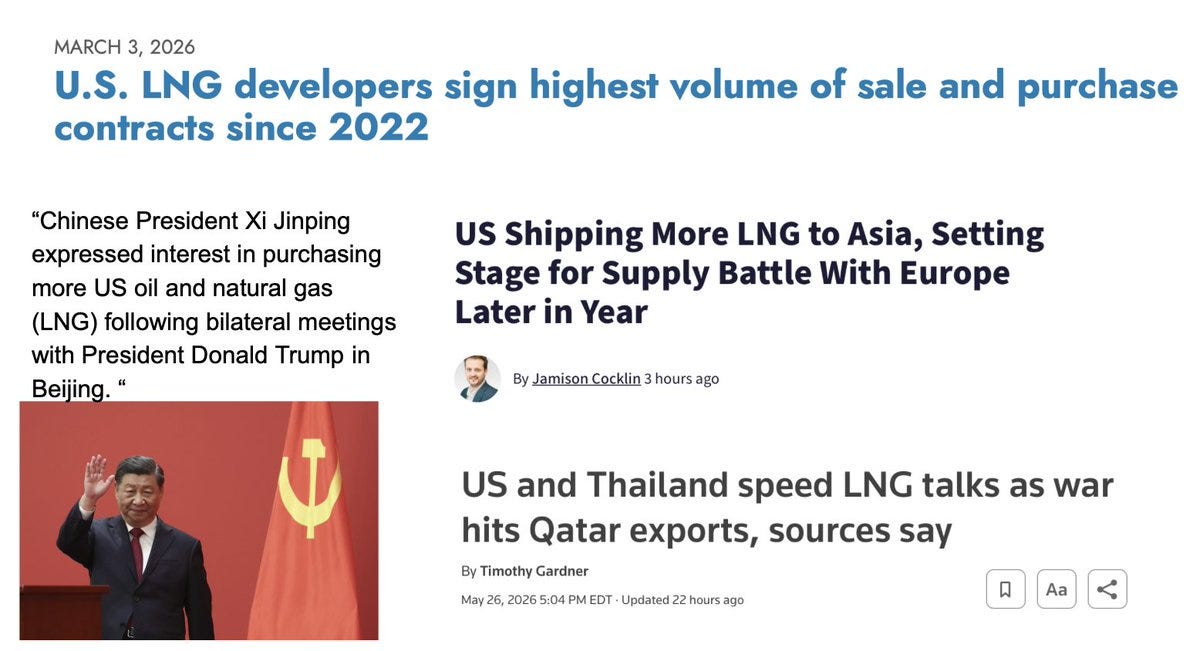
This supply vacuum has caused worldwide prices to surge to levels three to seven times higher than United States benchmarks, creating an immense economic incentive for export. Consequently, state-level buyers are turning to North America. Following bilateral meetings with President Donald Trump in Beijing, Chinese President Xi Jinping expressed interest in securing US oil and natural gas to bypass Middle-Eastern maritime risks. This interest represents a reversal of the trade dispute in 2025, during which Beijing had imposed a 25 percent tariff on US gas imports.
Venture Global and Cheniere Energy
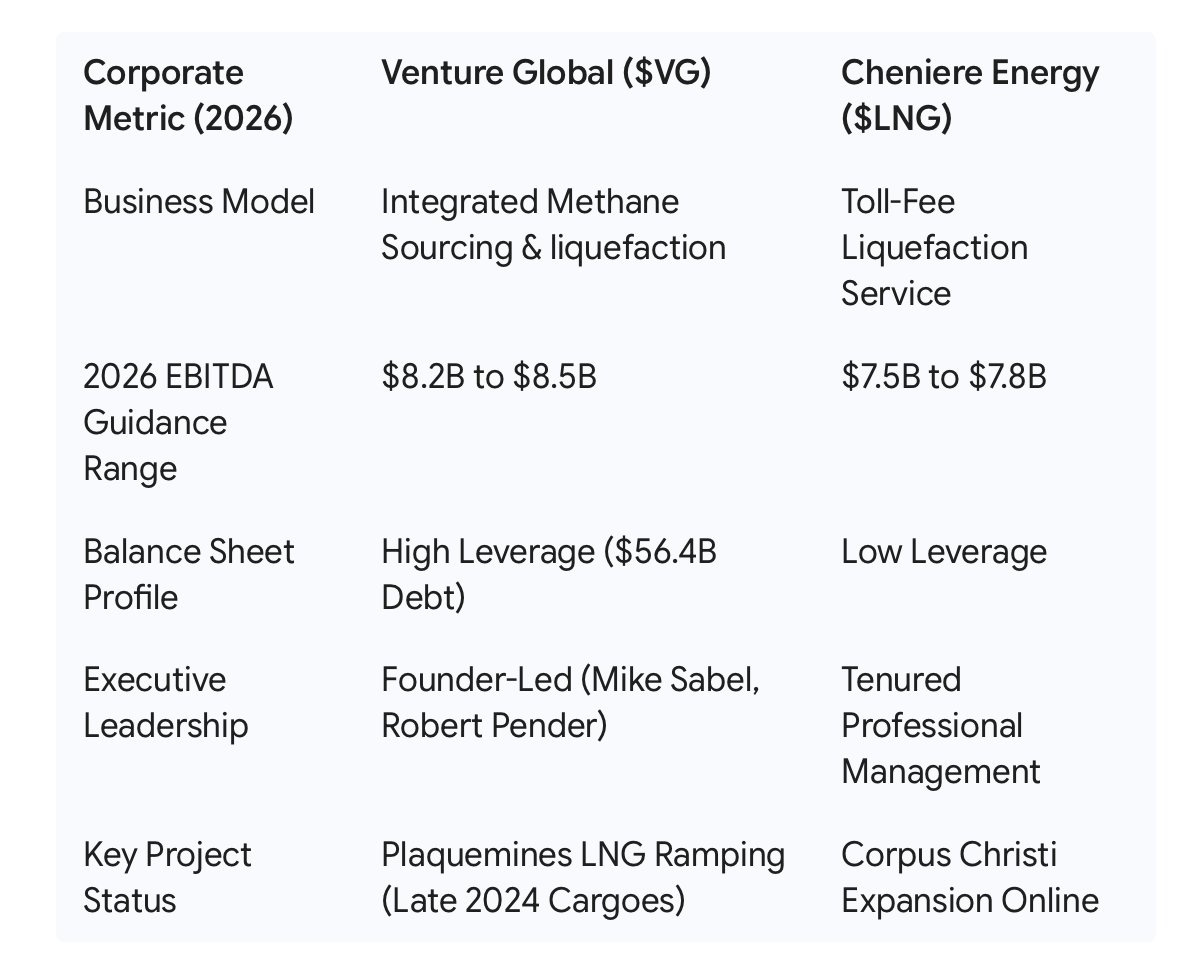
VG is a founder-led, vertically-integrated exporter that has nearly doubled its EBITDA guidance for 2026 to a range between $8.2 billion and $8.5 billion, driven by the commissioning of its Plaquemines facility. Plaquemines is fully insulated from spot market volatility, with 13 long-term sales and purchase agreements covering 19.7 million tonnes per annum (MTPA) of its 20 MTPA nameplate capacity. Offtakers include transatlantic utilities like EnBW and SEFE, alongside Trafigura, Hanwha, Chevron, and China Gas.
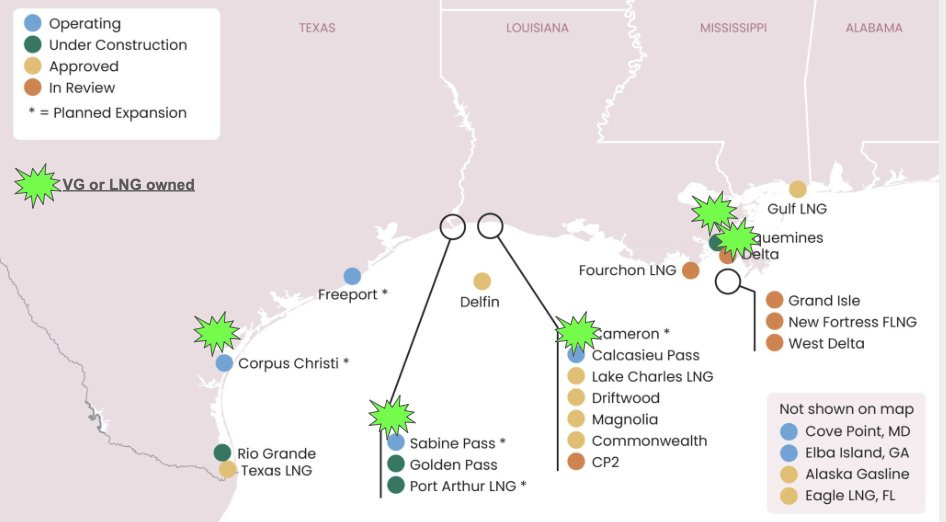
To capitalize on this worldwide supply deficit, investors are focusing on Gulf Coast liquefaction terminals, where Venture Global and Cheniere Energy control five of the seven operating facilities.
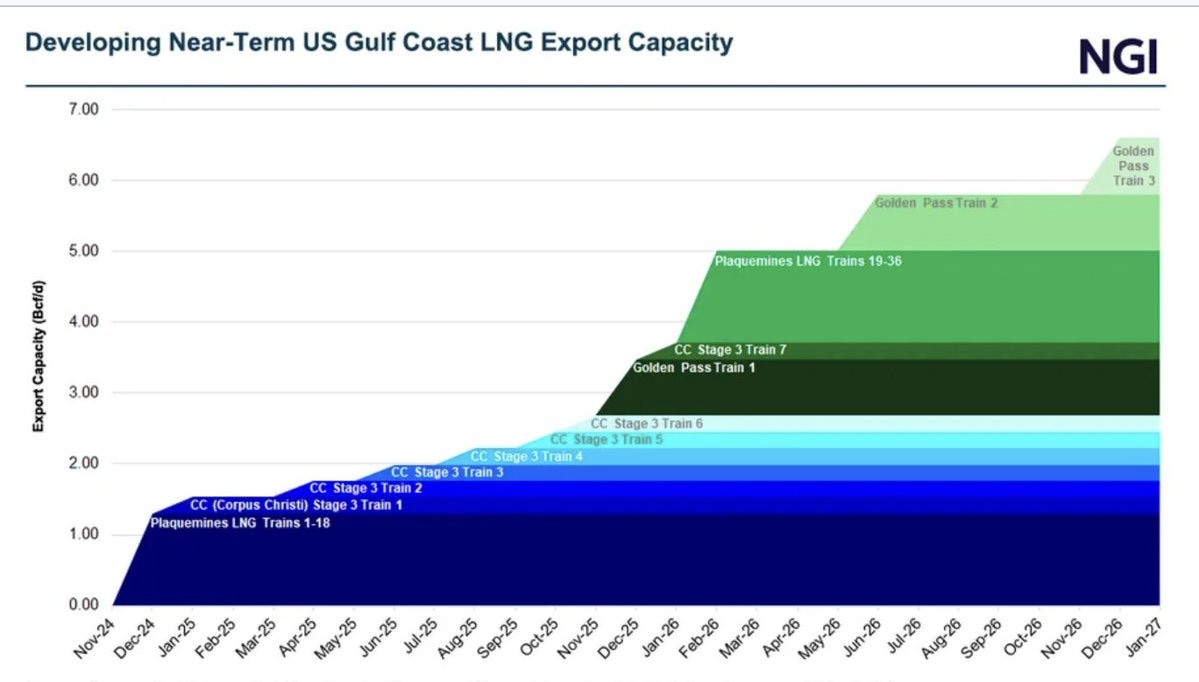
While Venture Global fell out of favor due to a winter storm early in the quarter and delayed pricing benefits from the March supply shock, its fundamental metrics remain compelling.
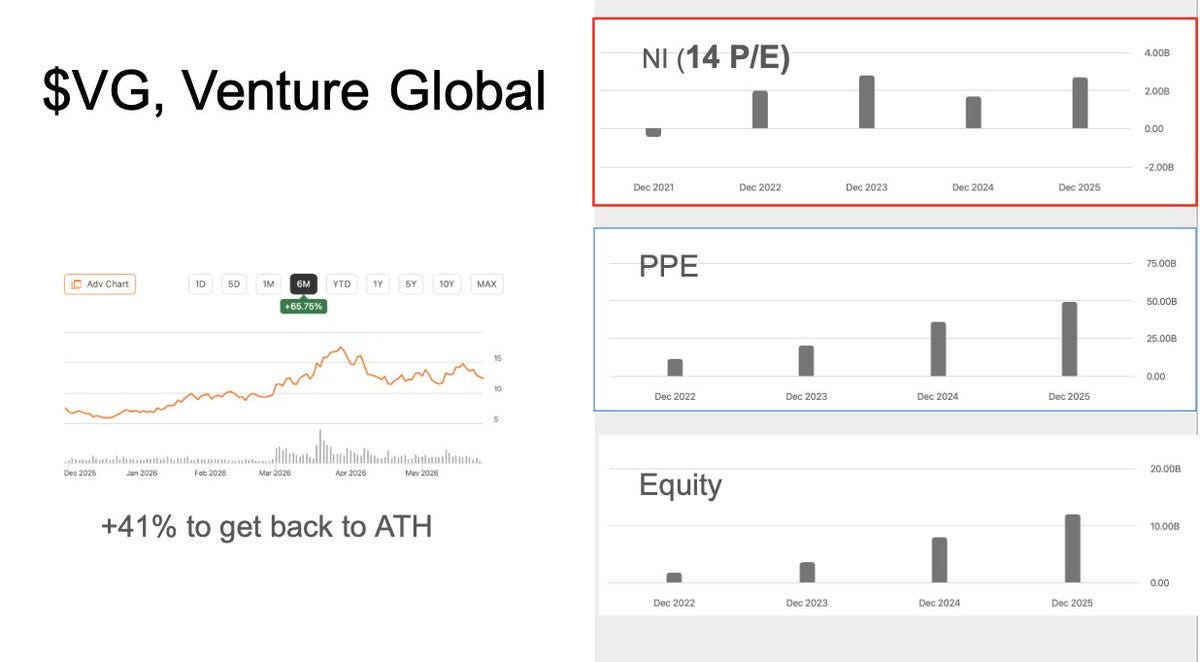
The firm is trading at an 8 percent owner’s earnings yield, supplemented by a 4 percent expansion rate, and has achieved an 11.36 percent annualized return on invested capital (ROIC) over the past five quarters while generating $700 million in free owner’s earnings quarterly.
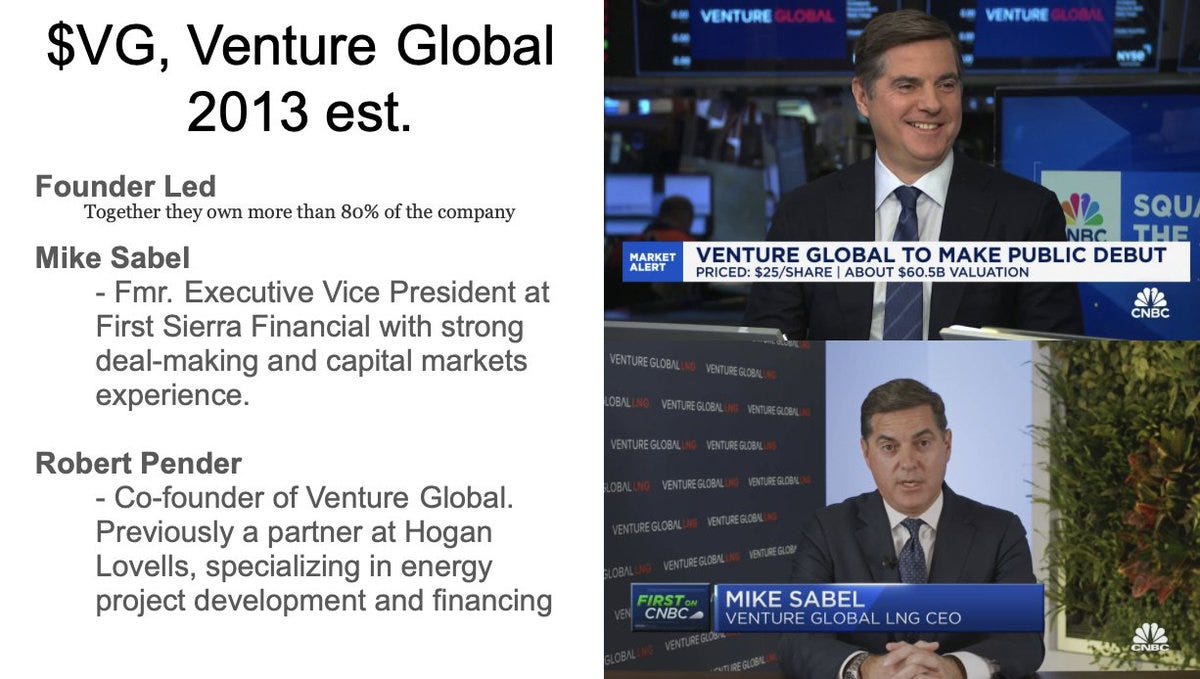
Mike Sabel, a former executive at First Sierra Financial, and Robert Pender, a former partner at Hogan Lovells, lead the company and retain over 80 percent of its common stock.
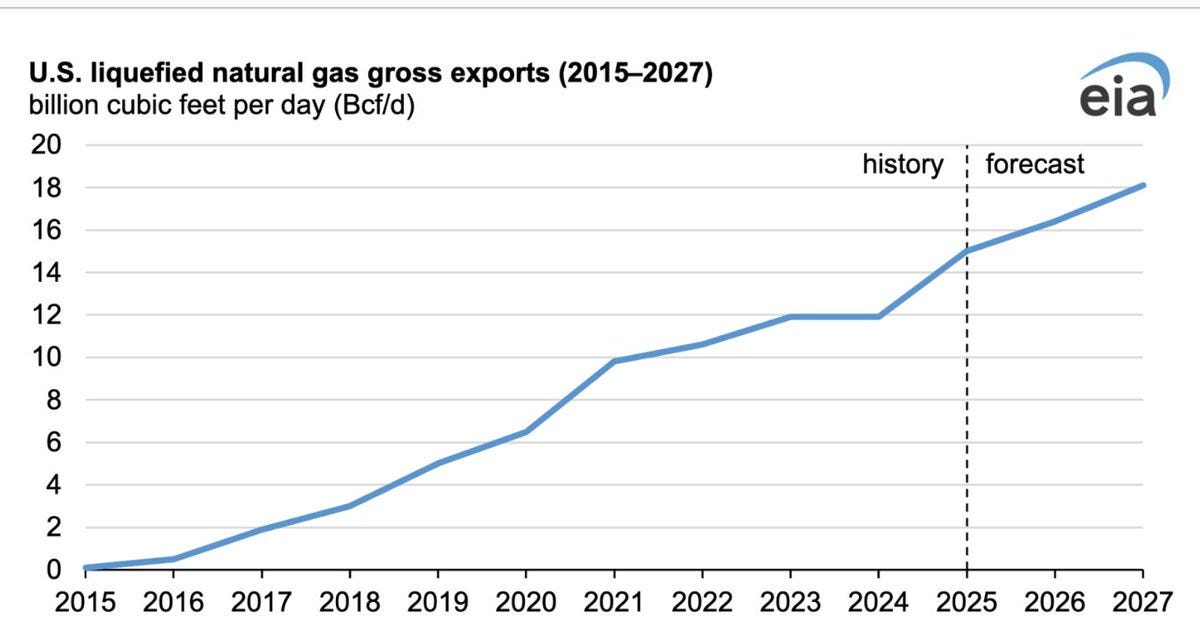
However, the asset carries distinct risks, including execution delays on its 36 liquefaction trains, contract arbitration disputes with Shell and BP, and elevated leverage. This contrasts with Cheniere Energy which employs a fee-based tolling model. Cheniere carries minimal debt, relies on a tenured corporate executive team, and acts as a lower-risk utility proxy, offering investors a different risk-reward profile.
Upstream Allocations in the Permian and Haynesville Basins
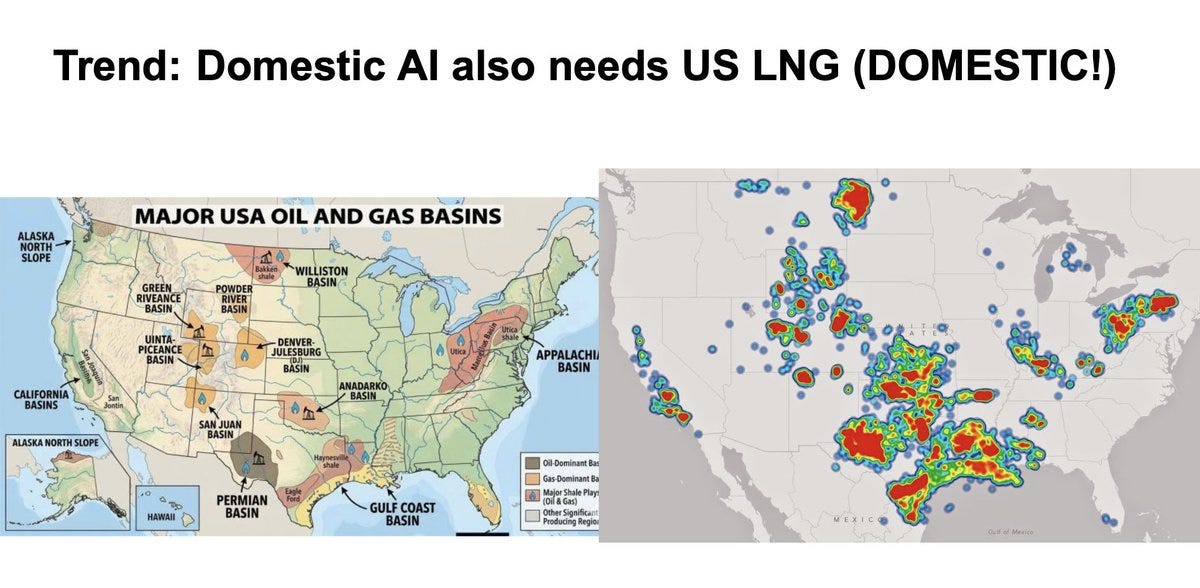
Because local computing facilities require colossal volumes of gas-fired power, forward pricing curves for gas have risen. To capture this trend, the portfolio has focused on upstream producers with premier positions in the Permian and Haynesville basins, located near exporting hubs.
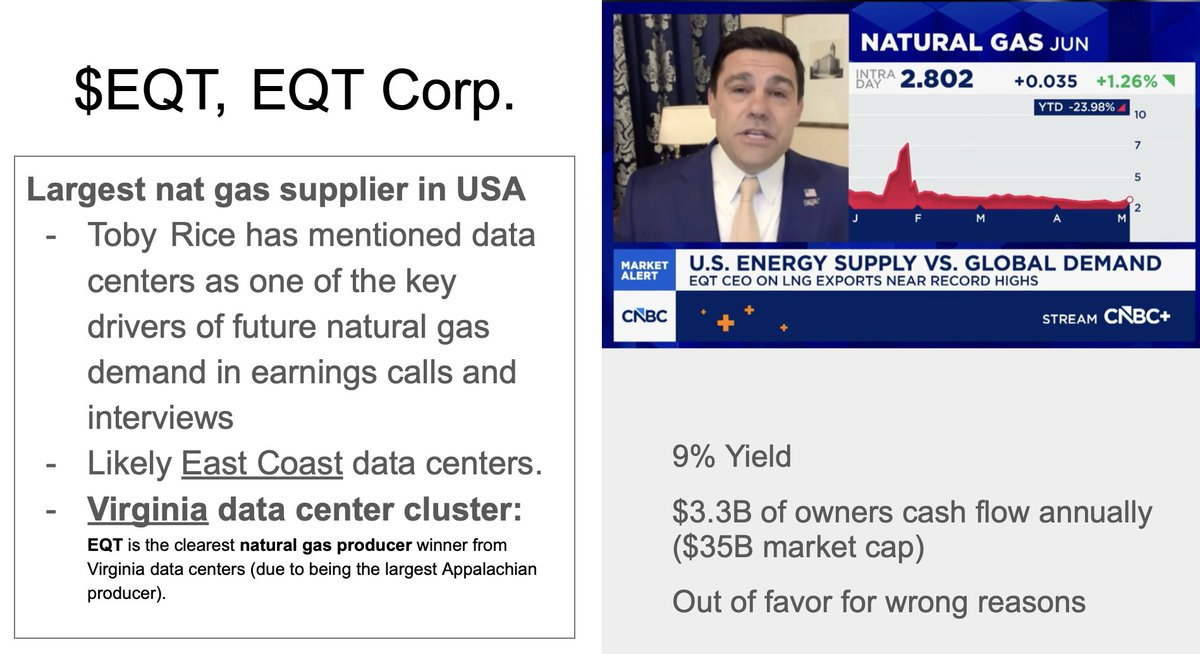
EQT Corporation (EQT 0.00%↑) is the foremost gas supplier in the United States. Led by Toby Rice, EQT is the chief beneficiary of utility demand from the Virginia data center cluster due to its extensive Appalachian pipeline connectivity.
Similarly, Expand Energy (EXE 0.00%↑) represents the biggest gas producer in the country following its recent business consolidation.
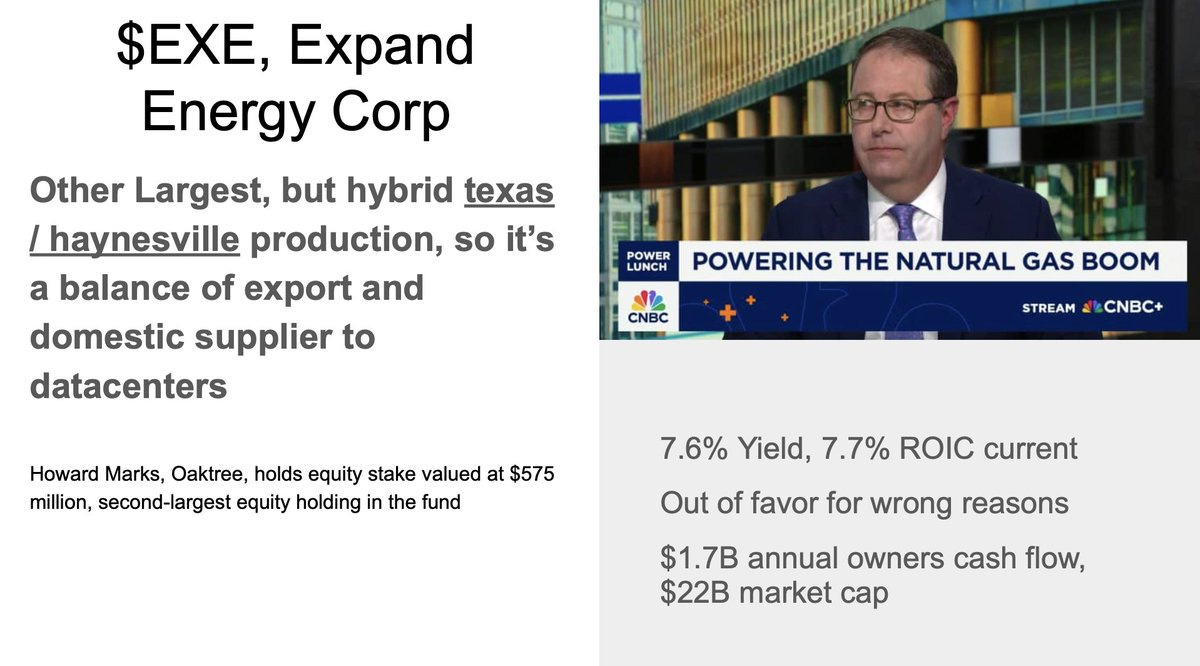
Expand Energy maintains a balanced footprint across Texas and Louisiana, serving both export facilities and regional utilities. Legendary investor Howard Marks of Oaktree Capital Management holds a $575 million stake in Expand Energy, making it his second-largest equity holding.
Comstock Resources (CRK 0.00%↑) offers a speculative play, holding the largest acreage position in the East Texas gas play.
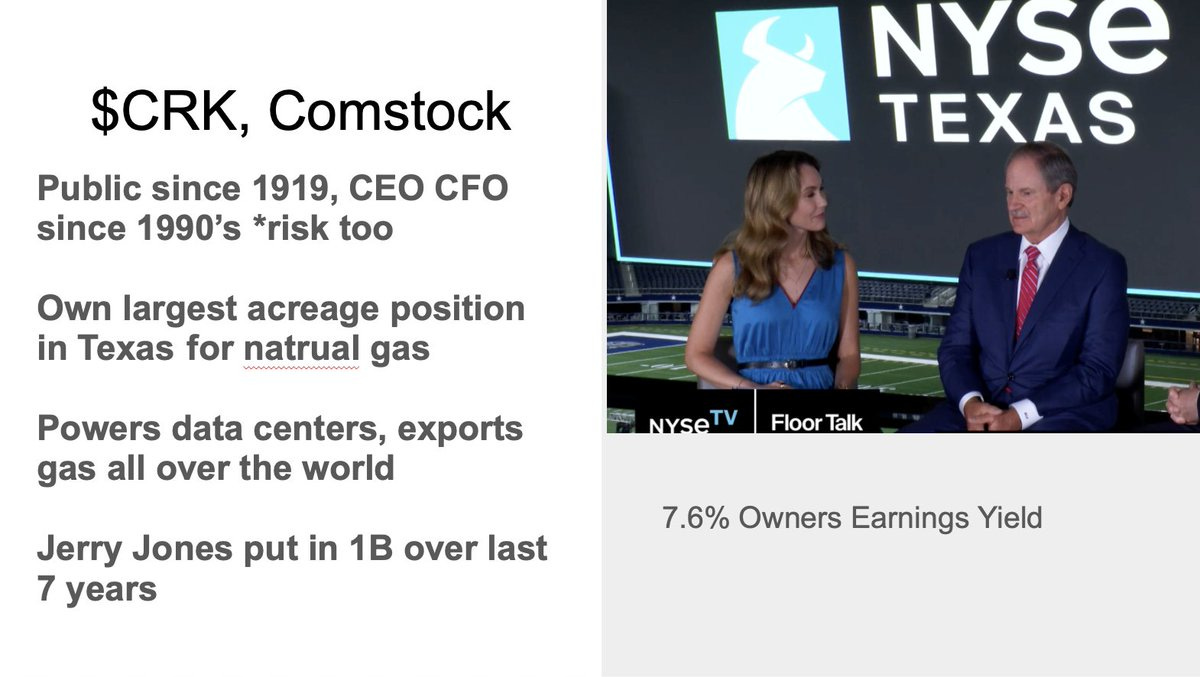
Comstock has been led by CEO Jay Allison and CFO Roland Burns since the 1990s, and has received over $1 billion in capital backing from Dallas Cowboys owner Jerry Jones.
Midstream Networks and Pipeline Integration
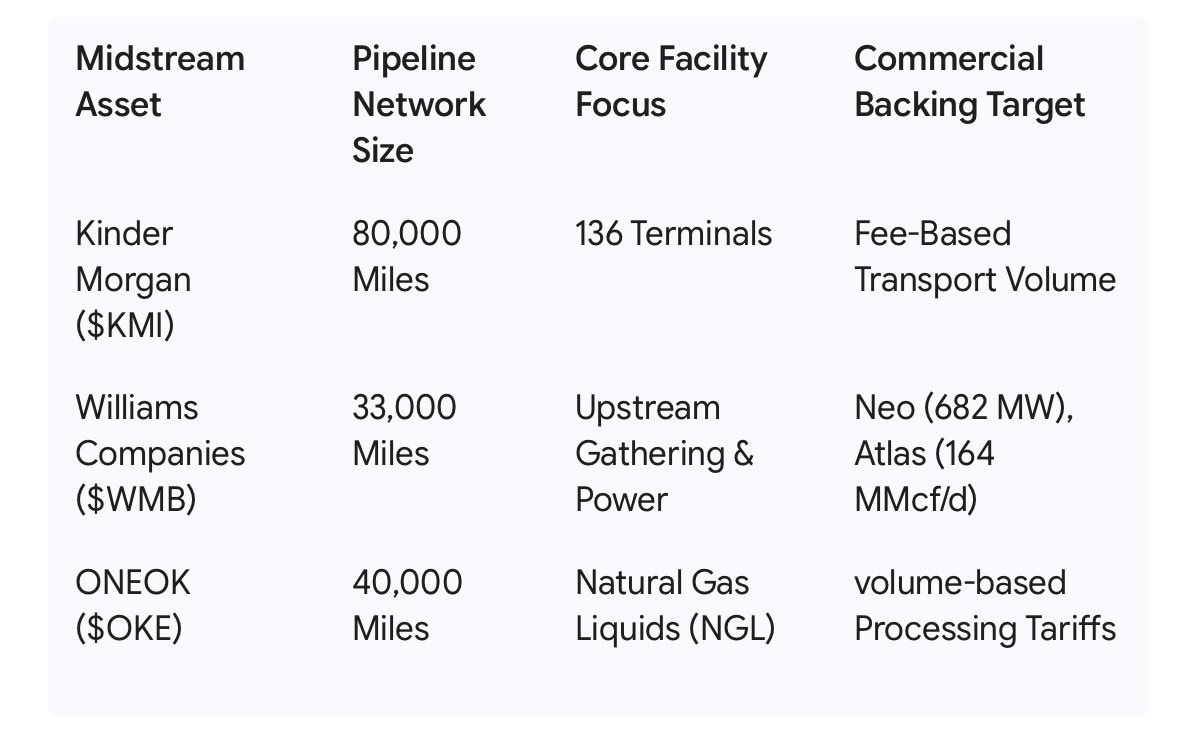
The transportation of fuel is controlled by midstream operators. Kinder Morgan ($KMI) operates 80,000 miles of pipelines and 136 terminals, moving 40 percent of United States methane gas. Led by founder Richard Kinder, KMI provides stable cash flow.
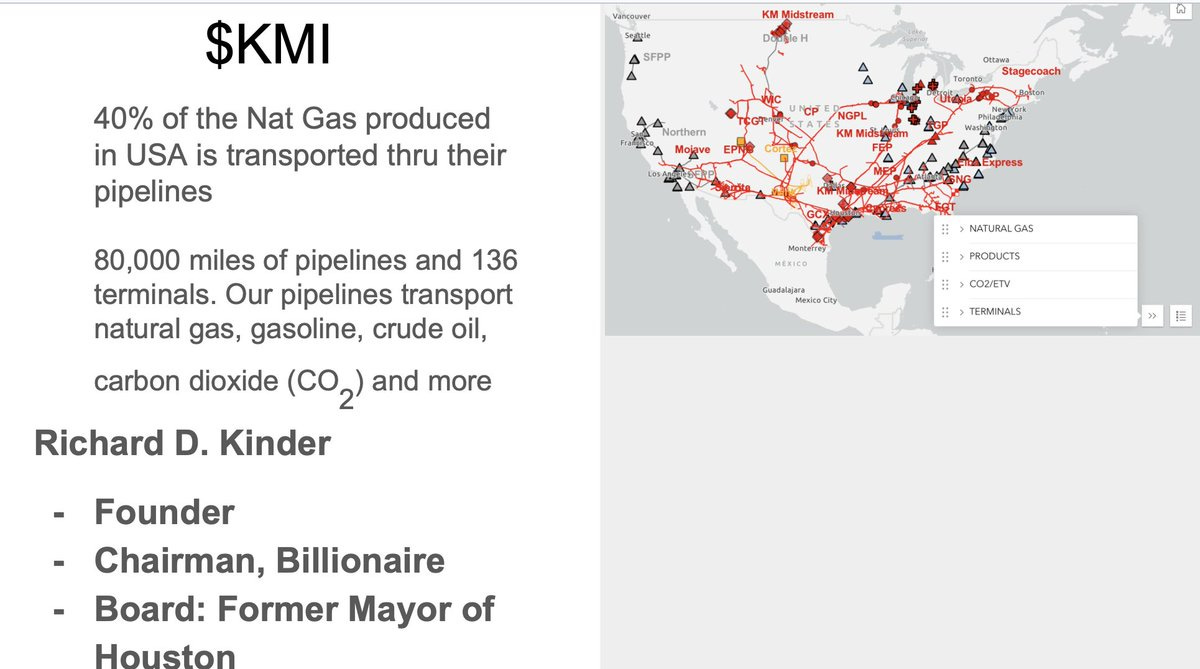
Upstream of KMI, Williams Companies (WMB 0.00%↑ ) functions as an integrated infrastructure giant. Williams lately commercialized its $2.3 billion behind-the-meter Neo project, which will deliver 682 megawatts of dedicated capacity to data centers by late 2028.
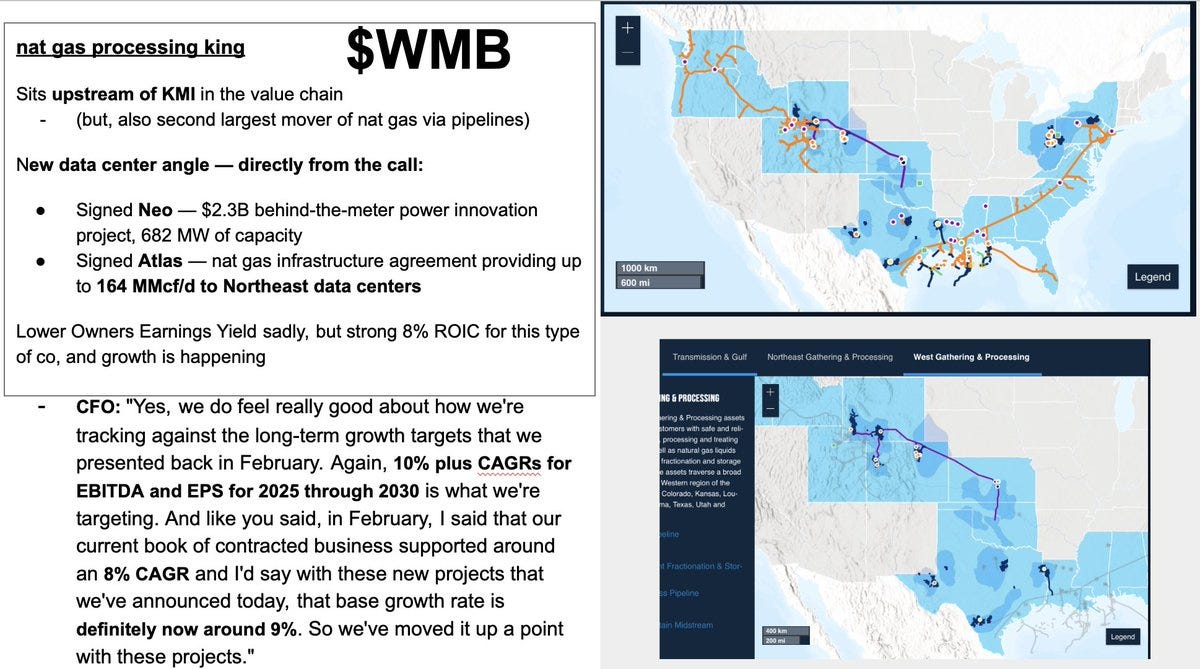
WMB also signed the Atlas agreement to supply 164 million cubic feet per day of gas to Northeast computing hubs, alongside the Silver Spur pipeline expansion to serve Idaho. These contracts support WMB’s targeted 10 percent EBITDA compound annual growth rate.
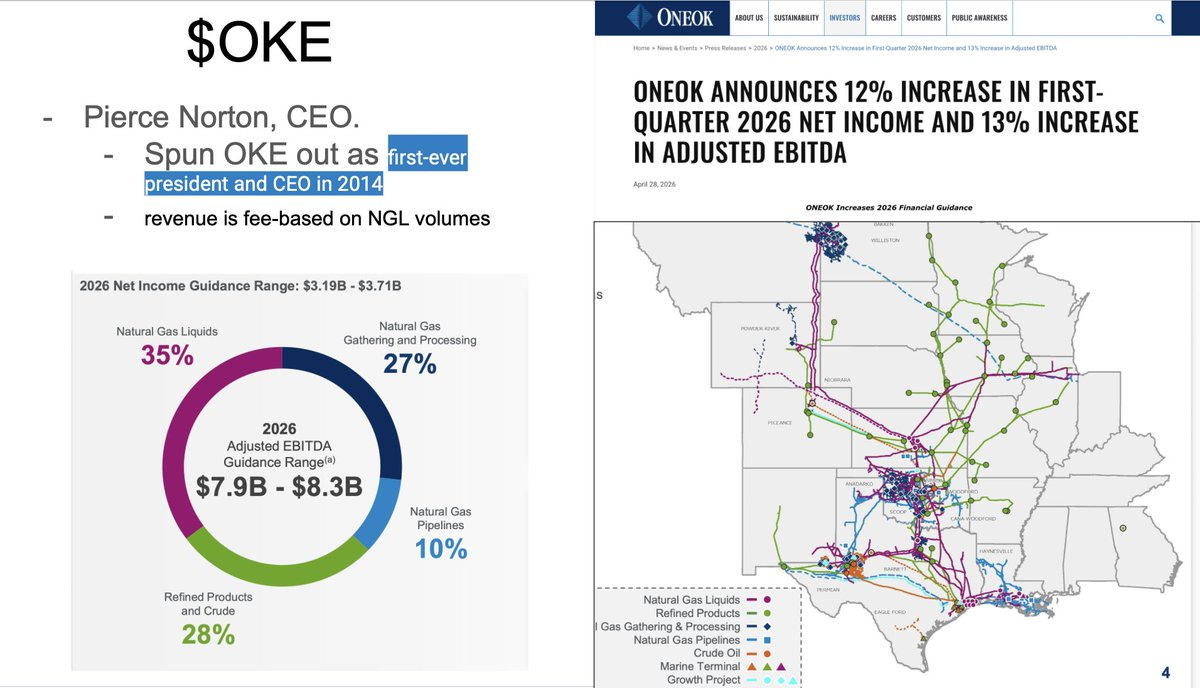
For secondary hydrocarbons, ONEOK (OKE 0.00%↑) controls the processing and transmission of gas liquids. Led by CEO Pierce Norton, who established ONE Gas as a separate entity in 2014, ONEOK derives its revenue from volume-based fees, protecting its balance sheet from commodity fluctuations.
EVERYONE NEEDS ELECTRICITY
Once gas is converted to electricity, it must be routed through physical interconnects. TE Connectivity (TEL 0.00%↑) is a chief provider of this specialized hardware, selling connectors, busbars, and cable assemblies designed to handle the power density scaling of AI server racks from 10 kilowatts to 600 kilowatts.
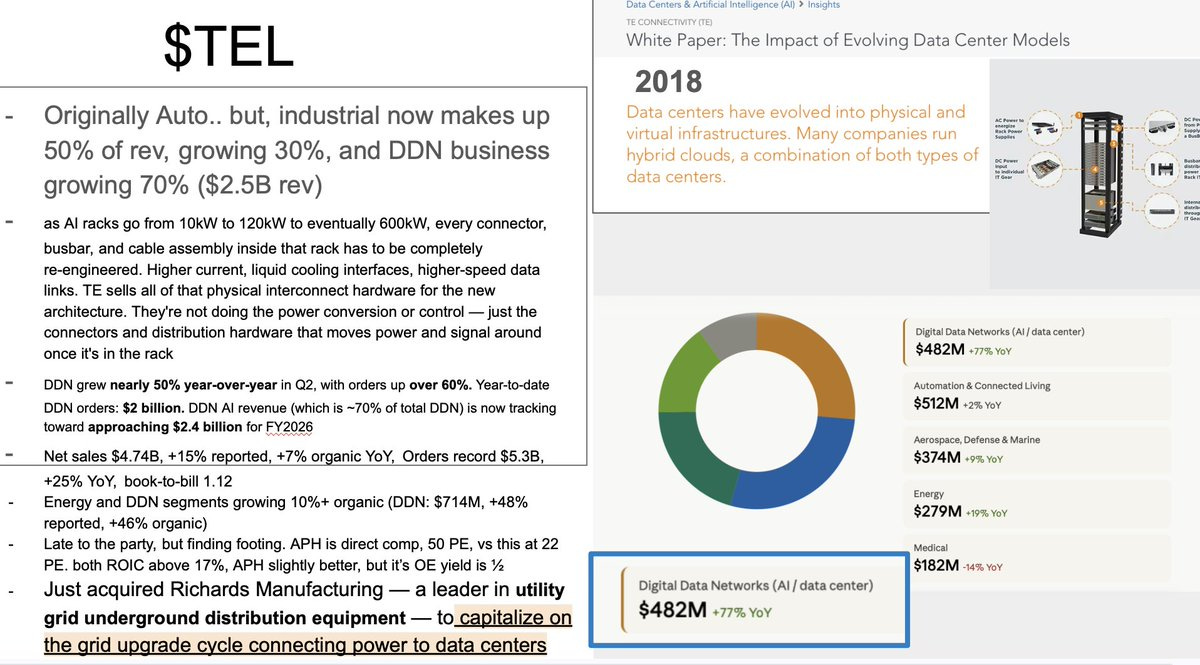
TEL is experiencing robust momentum, with its data connectivity business tracking toward $2.4 billion in sales for fiscal year 2026. The company subsequently expanded its grid portfolio by purchasing Richards Manufacturing for $2.3 billion, securing a dominant position in North American underground distribution equipment.
TE Connectivity trades at a favorable 22 times earnings, representing a substantial discount compared to its direct competitor, Amphenol (APH 0.00%↑), which trades at a multiple of 50.
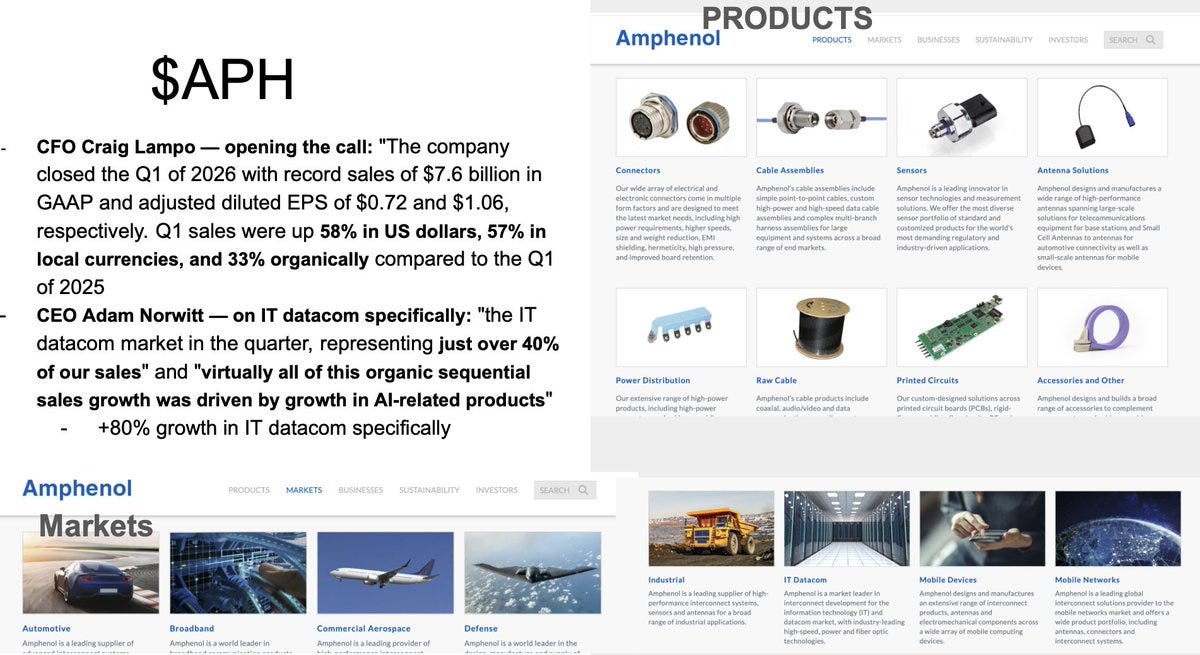
Amphenol closed its first quarter of 2026 with record sales of $7.6 billion, up 58 percent year-over-year, driven by an 80 percent surge in its IT datacom segment. Led by CEO Adam Norwitt and CFO Craig Lampo, Amphenol is capturing immense market share, boasting a historic book-to-bill ratio of 1.24.
Heliocentric Generation and Solar Manufacturing Moats
While gas provides baseload security, heliocentric generation represents a crucial alternative. First Solar (FSLR 0.00%↑) is the leading thin-film solar module manufacturer in the Western Hemisphere, shielding itself from Sino price controls and raw material dependencies by maintaining its production facilities in middle America. First Solar reported record-breaking first-quarter sales of $1 billion, up 24 percent, alongside a 65 percent increase in net income to $350 million. The firm maintains a contracted backlog of 47.9 gigawatts, representing $14.4 billion in revenues through 2030.
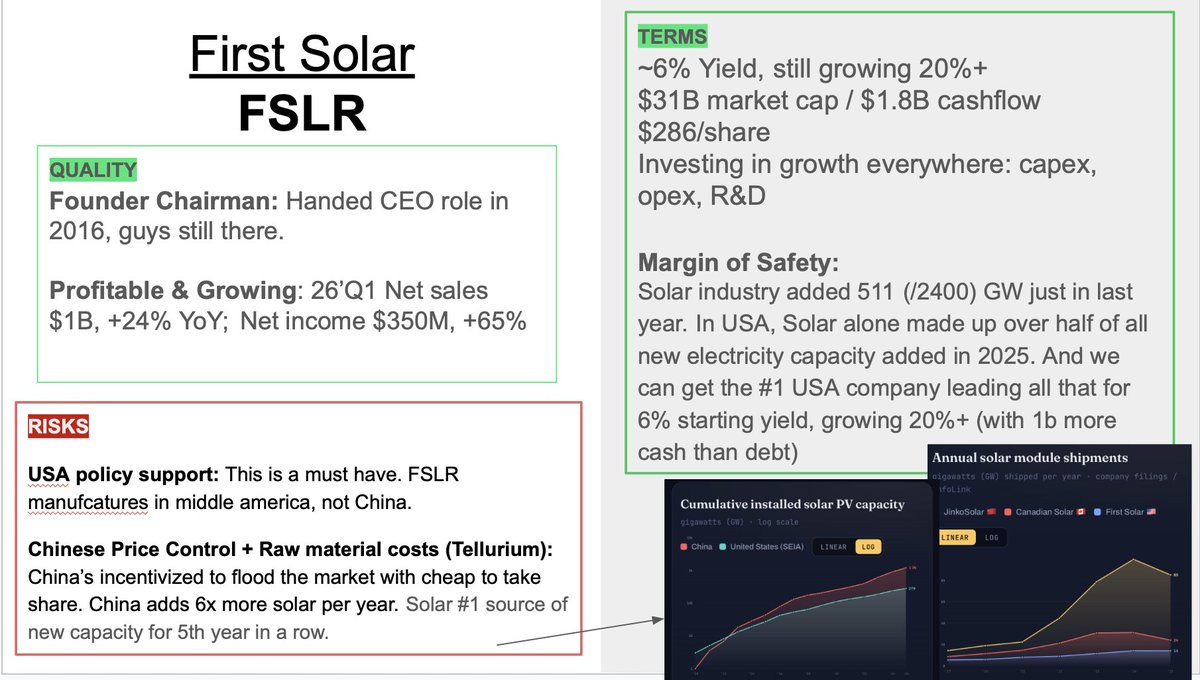
First Solar operates with a strong net cash position of $2 billion, allowing the enterprise to invest heavily in research and development. This provides a wide safety margin for investors, who can capture a starting asset yield of 6 percent with an annualized growth rate exceeding 20 percent.
Wrap Up
It’s hard to debate. Nat Gas is becoming THE critical USA export, and a valuable fuel source for Datacenters
This source for electricity will only become more valuable as time unfolds.
Get your popcorn ready, going to be a wild show.
Thank you for reading. If you liked what you read, throw me a follow on X: @Donversationz!
~Don
---------------------------------------------
DISCLAIMER: I am actively building this investment thesis into my portfolio. Absolutely nothing contained in this report constitutes investment advice. This analysis is presented strictly and solely for educational and informational purposes. Always perform your own thorough due diligence or consult with a licensed professional before making any financial decisions